Chartering & Finance - From Routes to Returns

In the heart of London’s commercial district, Captain Ravi paced his office, frustration tight in his chest.
His fleet was his legacy, but recent months had been brutal. As both the owner and CEO of his company, he bore the weight of every decision, every success and every setback.

Once meticulous and disciplined, Ravi had built his company by carefully managing costs and avoiding risky gambles.
Those early years of rigorous financial control had brought steady growth and success.
But as profits flowed in, confidence grew and with it, a willingness to take riskier charters, promising higher returns but less certainty.
Now, facing the consequences of those bets, Ravi’s mind grappled with how his once careful approach had given way to vulnerabilities that threatened the legacy he worked so hard to build.
The market’s unpredictable freight rates, rising fuel costs and delayed payments had pushed his company dangerously close to collapse.
Sitting across him was his CFO, Anil, who had been sounding alarm bells for months.
Anil had warned Ravi more than once in the past about risky charters that appeared to be profitable but hid dangerous financial pitfalls.
“Ravi, these deals might look good today, but the cash flow gaps and market volatility will catch us off guard”
His warnings were often dismissed in the pursuit of quick gains. Those ignored cautions now sat heavy in the room, a silent reminder of past mistakes.
“Ravi,” Anil said firmly, “we can’t keep patching cash flow holes with borrowed optimism. If we don’t rethink our approach now, especially on chartering decisions, we’re done.”
Ravi’s jaw clenched. “I built this company on guts, Anil. I don’t want spreadsheets telling me when to sail and when to dock.”
Anil shot back “But finance isn't a brake. It’s the rudder, ignoring it nearly sunk us. We can’t go on negotiating blindly.”
The discussion continued as usual…

At the same time, thousands of miles away in bustling Hong Kong, Lisa, a sharp and calculating charterer, tapped her pen impatiently.
She had been pushing to charter one of Ravi’s ships for weeks, but negotiations stalled.
The market was changing fast, margins were razor-thin and every unexpected cost could wipe out her profits.
During their last call, the tension was electric.
“Look, Captain Ravi,” Lisa was candid, “I need to be sure that everything adds up before I can trust this deal. I’ve seen too many agreements fall apart because people ignored the money side of things. Show me you have got this under control, otherwise, I can’t take the risk.”
Ravi had felt a little shaken by Lisa’s words, but deep down, he knew she was right.
He glanced at Anil, who gave a small, steady nod. It was clear, they had to face the tough facts and deal with them now.

Back in London, Anil laid out the brutal facts.
“Freight markets are declining and operational costs rising, debt repayments will peak soon, we don’t have the luxury to accept anything less than a deal that ensures stable cash flow and protects us from further risk.”
Ravi slammed his fist on the desk. “Perfect deals don’t make ships sail, Anil. Sometimes you have to take a risk.”
“That risk nearly sank us before! This time, let the finance guide us, not fear,” Anil snapped.
The three reconnected for a final negotiation.
“Lisa, we have run the numbers down to the last cent,” Anil said. “We can hold out for a better rate, but it means waiting. The market is unpredictable.”
Lisa’s eyes narrowed, she said “Waiting is a luxury I might not afford. Fuel prices are volatile and payment schedules matter. I am already planning to hedge fuel costs to manage risk. How flexible are you on cash flow and market shifts?
Ravi nodded with respect, he always liked the directness of Lisa, after a pause he said “We have tightened our cash management and while you are handling the fuel hedging, we are prepared to adapt quickly if market shifts and conditions change.”
Lisa relaxed slightly. “Good, that’s the transparency and strength we need.” After few weeks of careful negotiation, Ravi and Lisa finally agreed to sign a TC (Time charter) for two years. This long-term agreement wasn’t entered lightly, the financial analysis done was rigorous.
Anil’s detailed analysis showed how steady cash flow, would balance debt servicing and ensure profitability, how the charter would cover the maintenance without risking fleet stability.
Lisa needed assurance that rising operating costs wouldn’t eat into her margins and she was covered for any unexpected fuel price movement through fuel hedging.
Anil and Lisa’s finance teams hashing out these details turned what could have been a risky gamble into a solid foundation for sustainable success.

Weeks later, a global fuel price spike rattled the market. Many deals collapsed.
But for Ravi, Lisa and Anil, the storm passed without any dents. Their hedges protected costs, clear cash flow plans ensured payments. The charter sailed on smoothly, profits steadied and trust earned.
In the aesthetically pleasing conference room of their London office, Ravi turned to Anil with a thoughtful expression.
“You were right, finance didn’t hold us, it helped us stay focused and kept everything in control.”
Anil smiled, “And Lisa? She taught us patience with precision.”.
Ravi nodded, a rare softness in his gaze. “She saw clarity where I only saw pressure. Maybe that’s what kept this venture afloat.”
Lisa’s call came that evening:
“Captain, I look forward to growing our partnership with more vessels and greater trust.”
As the chartering process evolved, Anil embraced the power of artificial intelligence and digital tools to enhance financial decision-making. He introduced AI-driven analytics that sifted through vast market data, predicting freight rate trends and operational risks with unprecedented accuracy.
Ravi continued to focus on building trust and managing fleet operations.
Lisa sharpened her cost controls through hedging.
The use of AI gave them the edge, transforming complex data into clear, actionable insights that kept their partnership both agile and ahead of the curve.
This story is for all who aim to command their place in the shipping industry. Note avoiding finance is not an option, embracing it with knowledge and strategy is what drives control, resilience and growth in this complex world.
Blind courage without financial insight can drown even the strongest fleets. But when courage meets clarity, every wave can be turned into a successful path forward.


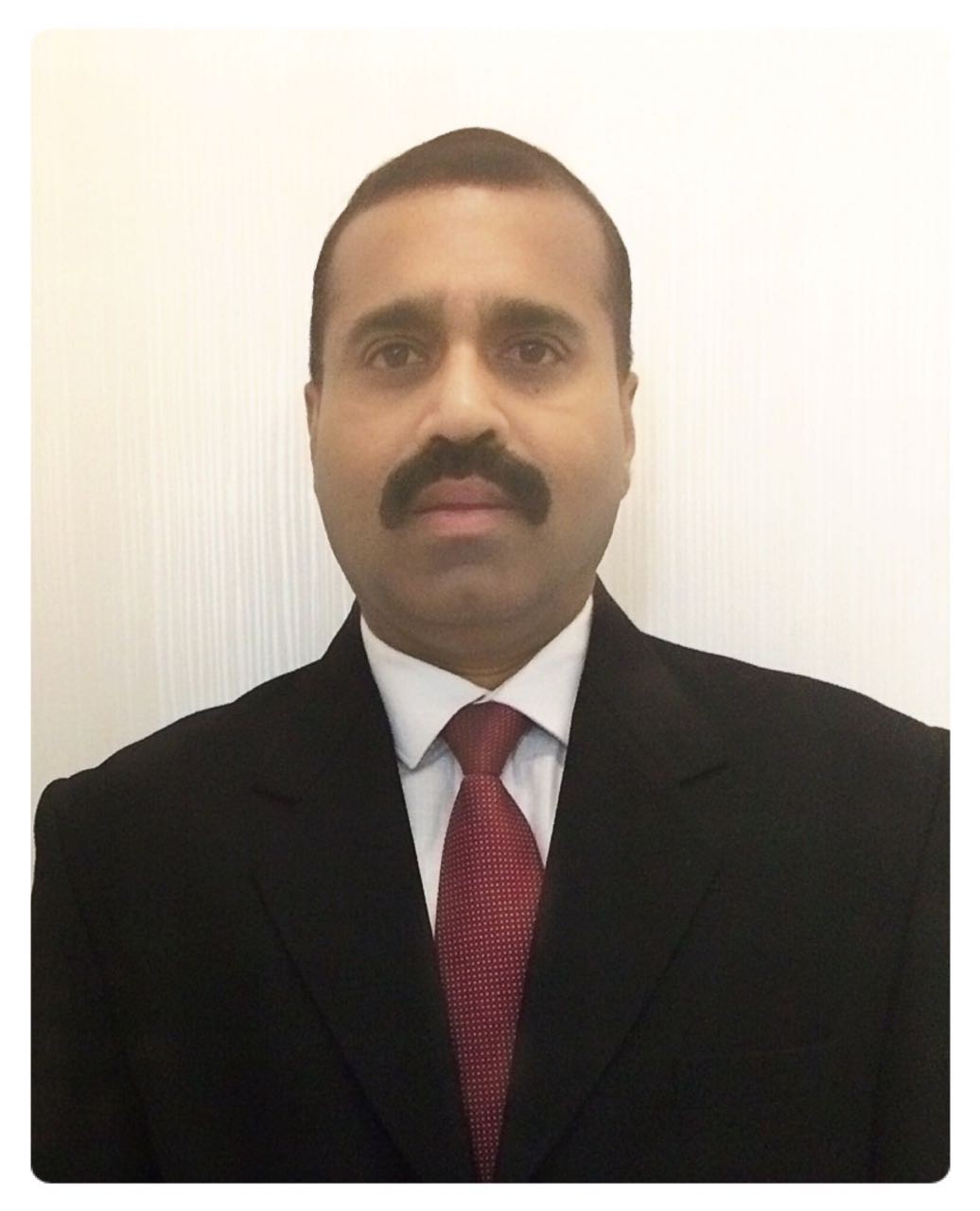
Vinay Naidu
Mr. Vinay Naidu brings about four decades of leadership experience in the maritime and shipping industry and has held leadership roles in maritime finance with renowned multinational companies. His passion for IT and technology, uniquely positions him to bridge the gap between financial world and digital transformation in maritime operation. In addition, he has served as a lead auditor for quality management systems, ensuring compliance and operational excellence. Beyond shipping, he is actively engaged in capital markets with a focus on derivatives and leverages his competence in occupational psychometric analysis to mentor and guide young adults in their career development.
Leave a comment
View more
Give your career a boost with S&B professional services.
CV Prep/Evaluation Prep Service
 More Jobs
Ship management
Mumbai
Senior Executive – Brandin..
Ship management
Mumbai
Assistant Manager – Vessel..
Ship management
Mumbai
HR Officer
Interview Prep/Mentoring
Find your polestar with the host of experts available on our platform
Know more

Contact Us