
Foreign Shipowners Flagging into India: Opportunity, Pride — and Policy Questions
 Sea and Beyond
09 Dec 2025
1315 view
0
0 Comment
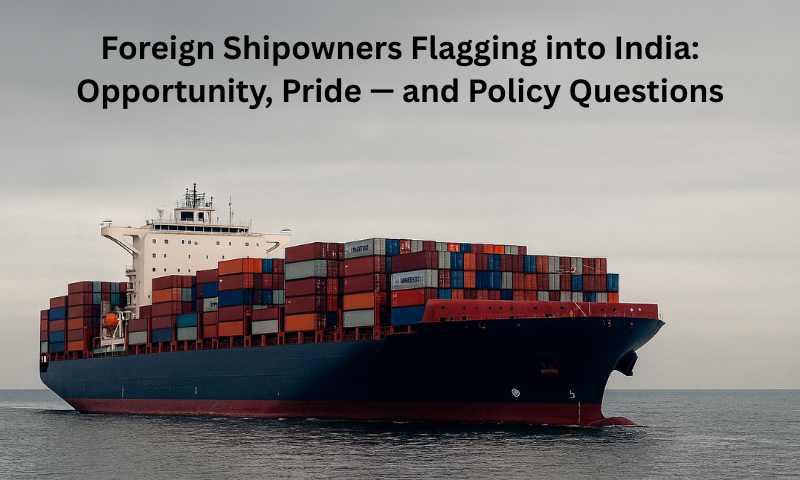
The recent move by foreign-owned vessels to shift to the Indian flag under the IFSC GIFT City framework has rightly been called a historic milestone. While Maersk Vilnius is making headlines, it is important to note that the first foreign-owned vessel to adopt the Indian flag through this route was CMA CGM Vitoria.
Regardless, the sight of the Indian Red Ensign flying on globally recognised shipping giants is undeniably a moment of national pride.
But beyond the optics, this development raises several strategic, commercial, and regulatory questions about the long-term implications for the Indian maritime ecosystem.
Why Are Foreign Owners Flagging into India?
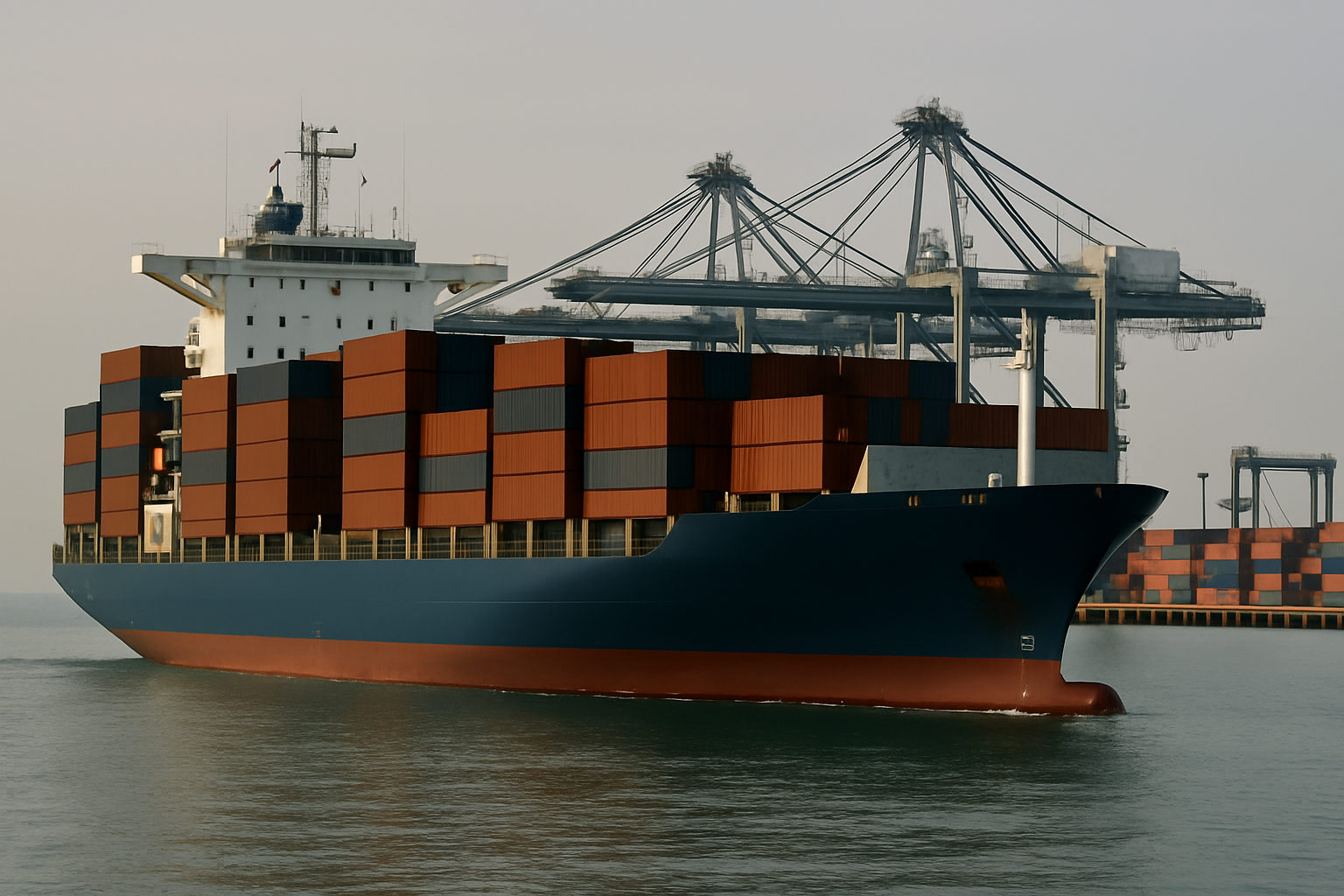
The primary motivation appears to be access to—and advantage within—the growing Indian EXIM trade ecosystem. Whether vessels like Maersk Vilnius will stay on India-related liner routes or operate globally (including cross-trades like the North Atlantic) remains to be seen.
Possible Benefits to India
There are certainly potential advantages:
- Increased employment for Indian seafarers
- Direct employment in Indian shore offices (estimated 30–40 personnel per ship operator)
- Higher visibility of the Indian registry on global trade routes
- Strengthening India’s case as a serious flag state
These developments align partly with India’s approach to attract Foreign Direct Investment (FDI), which traditionally aims to:
- Boost economic growth
- Create employment
- Build technology and expertise
- Strengthen exports
- Improve investor confidence
- Reduce trade deficit
- Support Make in India and other national priorities
- Build infrastructure and capacity
However, the key question remains:
Does FDI in Indian ship registration achieve the same outcomes as FDI in manufacturing, infrastructure, or logistics?
The Concerns: Strategic and Economic
While the trend is encouraging, several important issues require evaluation and policy clarity:
1. Economic Value to India
If vessels are built abroad, repaired abroad, and operate globally, India may not capture the economic value except for salaries and local office overheads.
2. Repatriation of Freight
Freight earnings—the largest financial component—may eventually be repatriated, reducing long-term domestic economic benefit.
3. Competition with Indian Owners
With global carriers like MSC, Maersk, CMA CGM or others under the Indian flag, can emerging Indian shipowners compete—especially in coastal shipping?
4. Regulatory Control
Will the Indian maritime administration be able to enforce:
- Safety compliance
- Manning rules
- Cabotage
- Taxation
- National obligations?
5. Strategic Autonomy
In times of conflict, crisis, or embargo:
- Can India requisition or deploy foreign-owned Indian-flagged ships?
- Will these vessels prioritise commercial interests or national directives?
History reminds us—sometimes painfully—what happens when external actors gain disproportionate influence over national infrastructure or trade (the East India Company analogy, while extreme, is not irrelevant).
A Possible Risk Scenario
If a group of financially powerful foreign operators controlling Indian-flagged tonnage were to:
- Undercut freight rates to drive domestic owners out,
- Consolidate control,
- And later raise rates or exert leverage,
India could become strategically dependent.
And if India acted against such behaviour, these companies could simply threaten to flag out—leaving India exposed.
This pattern has occurred in other sectors worldwide, and it must not repeat in maritime trade.
The Balance: Openness with Safeguards
Nobody is suggesting that foreign participation is inherently negative. India must remain integrated with global trade, not isolated from it.
However, policy must protect long-term national interests by ensuring:
- Reciprocity
- Capacity building
- Economic retention
- National shipping security
- A level playing field for Indian-owned operators
Just as allowing foreign airlines full access to domestic passenger markets may have stunted local aviation growth—unrestricted access to foreign-controlled Indian-flag shipping may suppress homegrown maritime capability.
Conclusion
The entry of foreign owners under the Indian flag is encouraging, symbolic, and in many ways overdue. It brings India visibility, credibility, and recognition.
But this shift also requires:
- Thoughtful regulation
- Clear policy safeguards
- Long-term strategic planning
Only then can India ensure that the rise in Indian-flagged tonnage contributes not just to statistical growth—but to true maritime strength, resilience, and national capability.



Sea and Beyond
At Sea and Beyond we strive for authenticity and honesty in our work. Our mission is to help “You take a well informed decision” and we try and support you through our various services like
- Mentoring
- Skill enhancement/Education
- Job Opportunities and
- Your branding (CV and LinkedIn preparation)
We have a team of writers who conduct thorough research to ensure the accuracy of the content and for the clarity in communication. We will be happy to support you wherever required
Leave a comment
View more
Give your career a boost with S&B professional services.
CV Prep/Evaluation Prep Service
 SeaCommerce
Shop maritime books & essentials
DG Medical Examiners
Find approved doctors near you
Tools & Calculators
Free maritime tools for seafarers
More Jobs
Agency and Logistics
Tanzania
Commercial Manager – Tanza..
Misc
Mumbai
Front Desk Executive – Mum..
Sales and Marketing
Mumbai
Sales Manager
Interview Prep/Mentoring
Find your polestar with the host of experts available on our platform
Know more