IMO Net-Zero Fund: Paving the Way to Decarbonized Shipping
 Capt. M. M Saggi
22 Oct 2025
1935 view
5
0 Comment
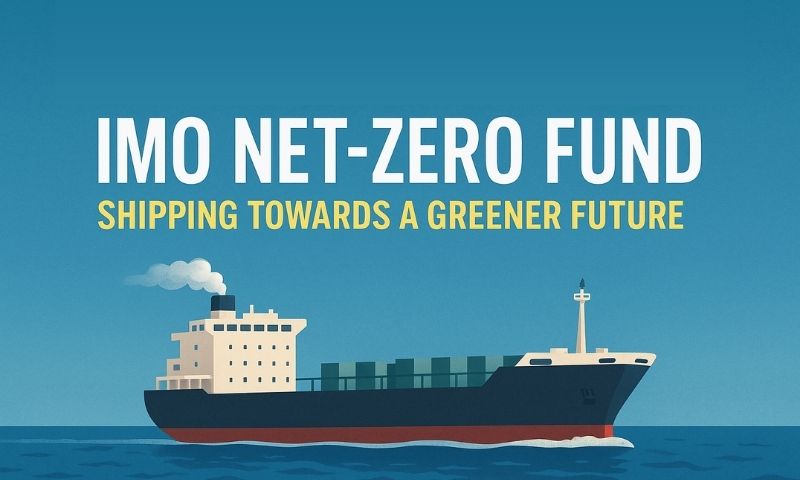
The International Maritime Organization (IMO) is taking a historic step toward decarbonizing global shipping. The IMO Net-Zero Fund (NZF), expected to mobilize $10–15 billion per year starting around 2028, is designed to help the sector achieve net-zero greenhouse gas (GHG) emissions by 2050.
What is the IMO Net-Zero Fund?
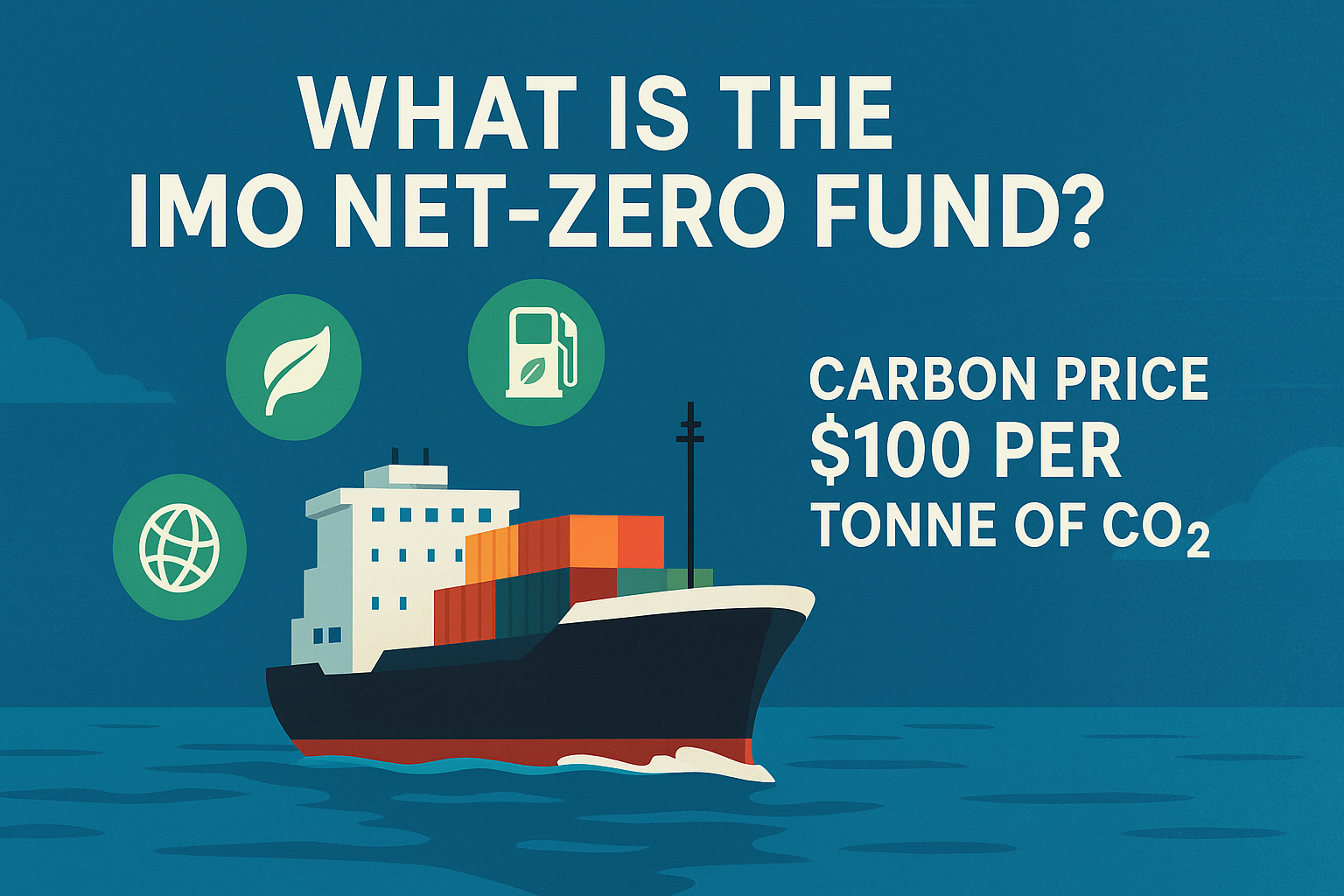
The NZF framework, approved at MEPC 83 in April 2025, integrates fuel intensity targets, carbon pricing, and a dedicated funding mechanism to support the transition to low-carbon shipping technologies. Ships above 5,000 gross tonnage, responsible for 85% of sector emissions, are included under this framework.
A carbon price of $100 per tonne of CO₂e is proposed for these vessels, which will finance support for developing nations adopting green shipping technologies and infrastructure.

Key Objectives of the Fund:
- Enable developing countries to transition to low-carbon fuels and technologies.
- Encourage research and development in green fuels, propulsion systems, and energy-efficient shipping technologies.
- Support a just transition for countries managing economic and workforce impacts.
Adoption Process
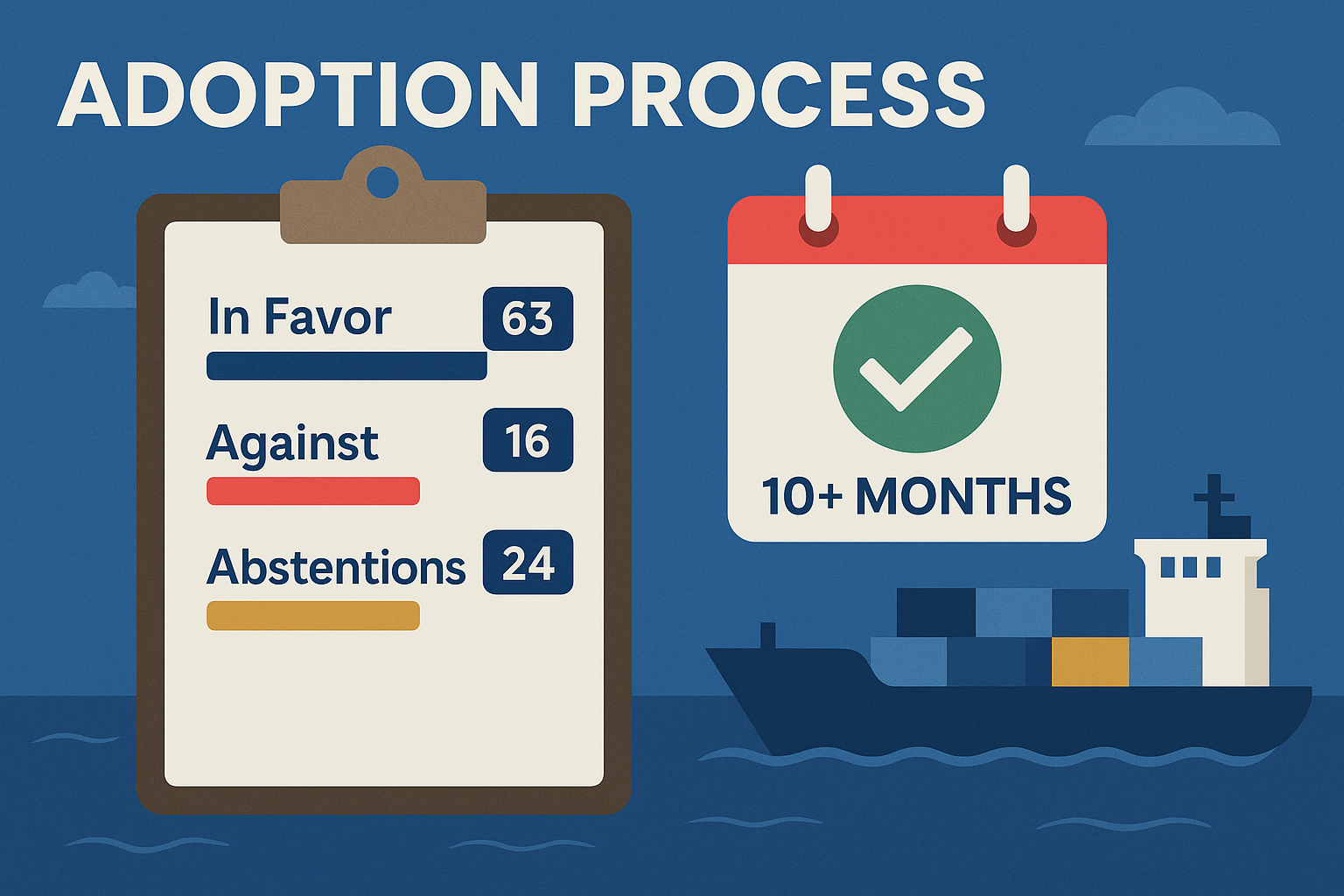
The fund requires adoption during an extraordinary MEPC session, with a two-thirds majority of Annex VI contracting parties. Preliminary voting in April 2025 indicated:
- 63 in favor
- 16 against
- 24 abstentions
After formal adoption, a tacit acceptance period of 10+ months allows objections. Any objections must meet one of two conditions to block implementation:
- ≥1/3 of participating countries
- Representing >50% of global shipping tonnage
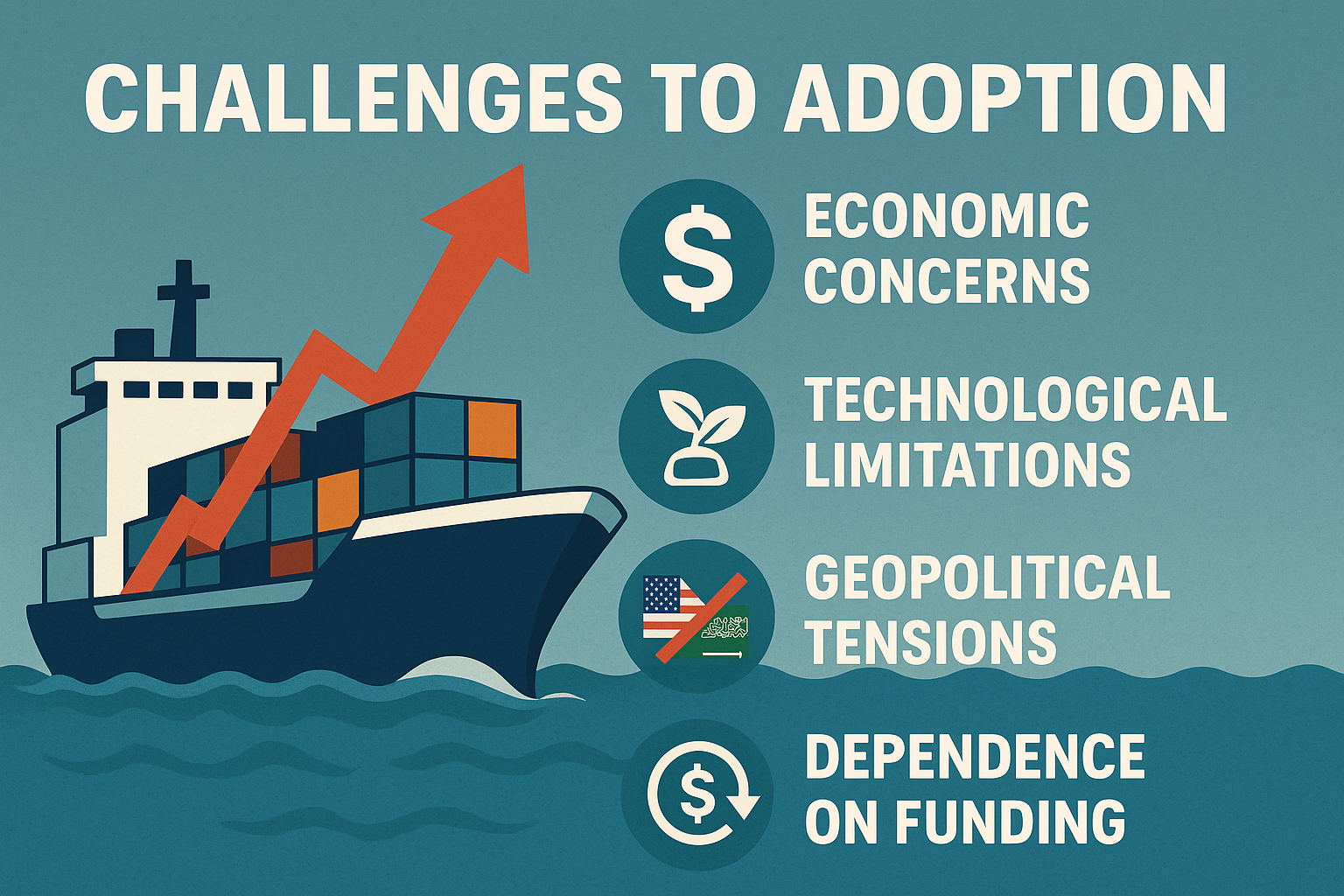
Challenges to Adoption
While the NZF is a critical step toward decarbonization, several impediments exist:
- Economic Concerns: Higher operational costs, especially for developing nations.
- Technological Limitations: Low-carbon fuels and retrofitting solutions are not yet fully scalable.
- Geopolitical Tensions: Opposition from the U.S. and some Middle Eastern nations citing economic disadvantages.
- Dependence on Funding: Developing countries may resist adoption without guaranteed access to the fund.
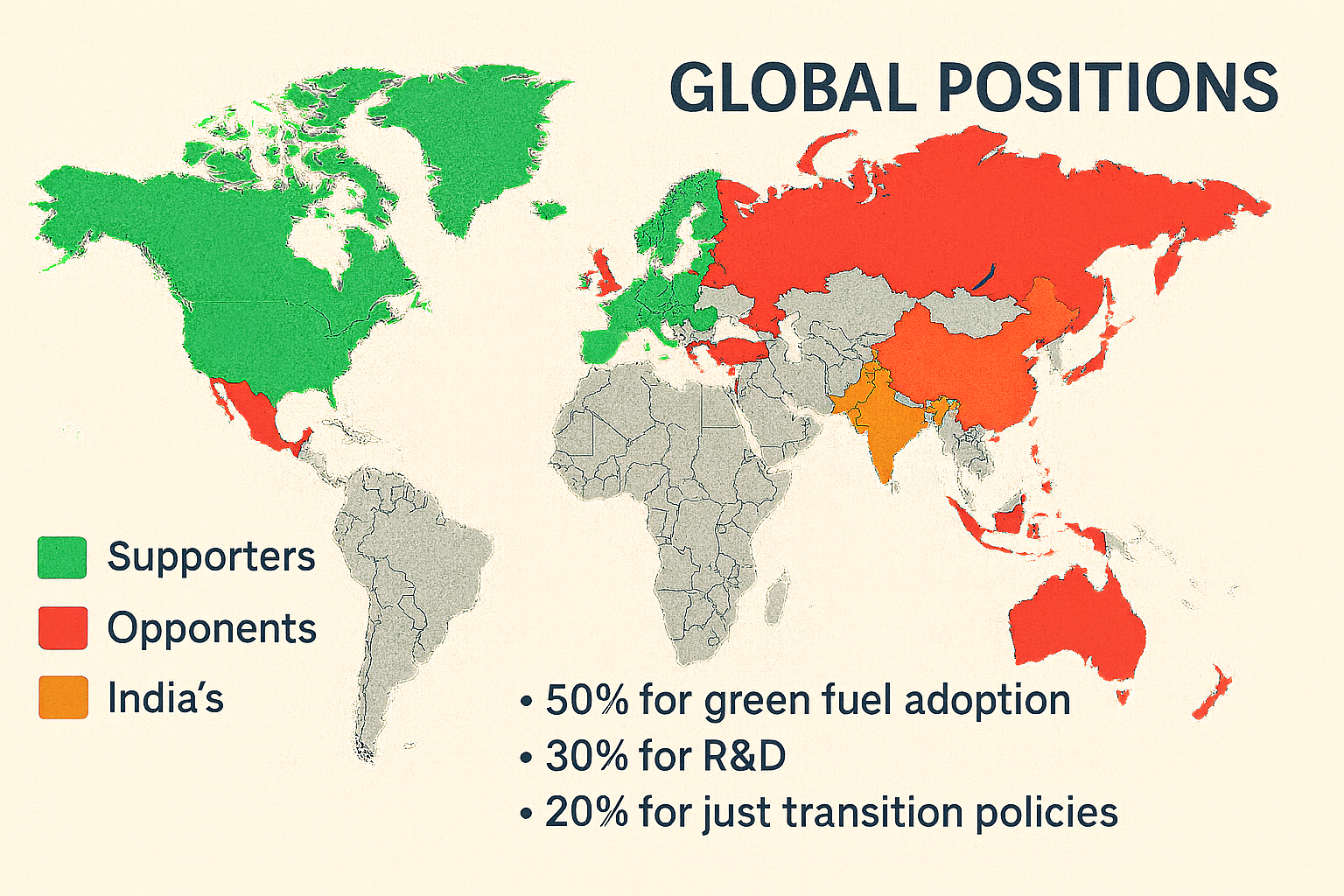
Global Positions
Supporters: EU, China, Brazil, and several developing nations anticipating fund access.
Opponents: U.S., Saudi Arabia, UAE, Qatar, and some developing countries lacking technological capacity.
India’s Position:
India supports the NZF but emphasizes transparent and structured allocation:
- 50% for green fuel adoption
- 30% for R&D
- 20% for just transition policies
India is also implementing domestic initiatives, including green ports, vessels, and hydrogen hubs, complementing global decarbonization efforts.
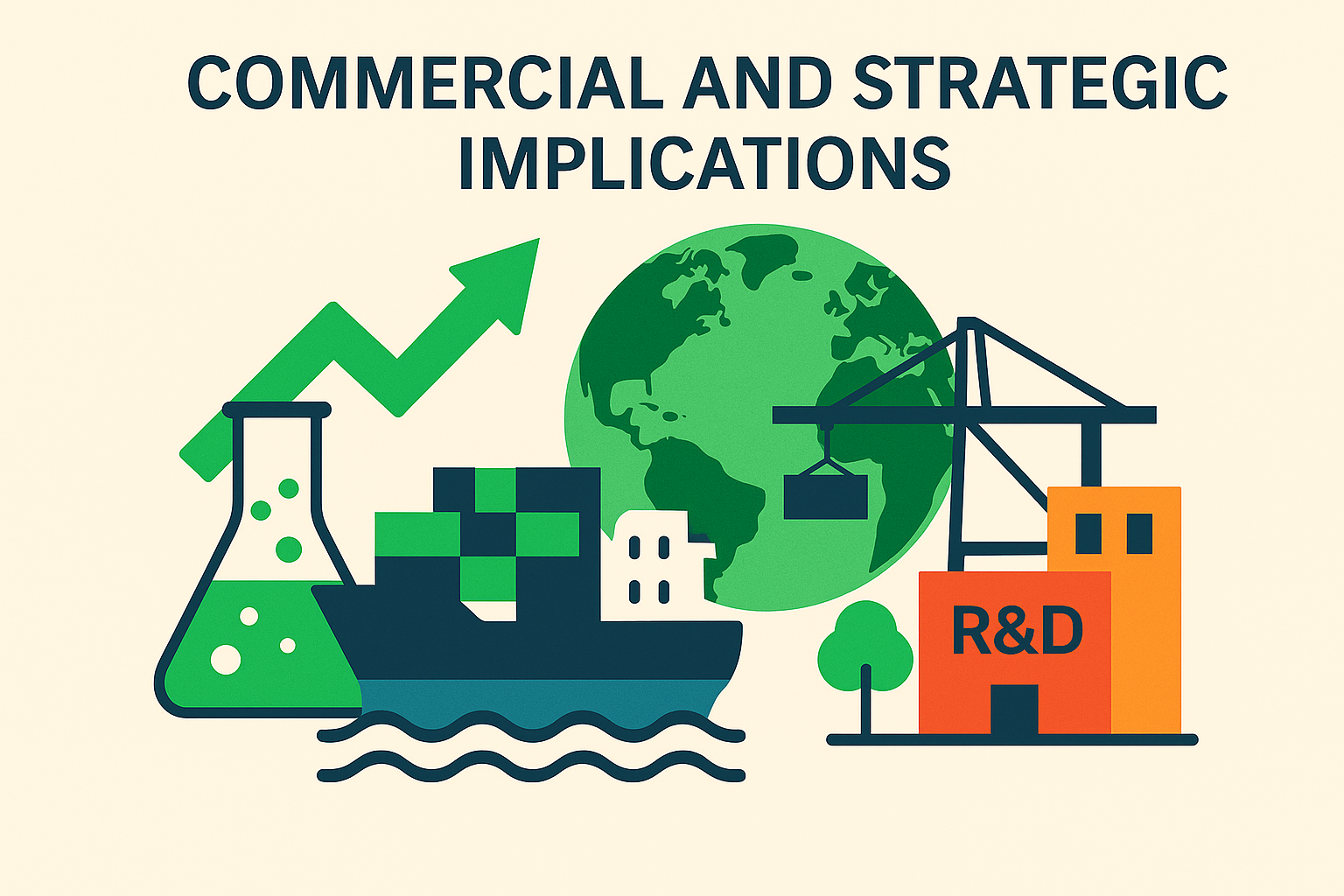
Commercial and Strategic Implications
The NZF is not just an environmental tool; it carries commercial and strategic interests:
- Commercial Gains: Benefits green fuel suppliers, shipbuilders, ports, and carbon market participants.
- Strategic Gains: Donor countries may influence technology adoption, strengthen global leadership, and promote climate objectives.
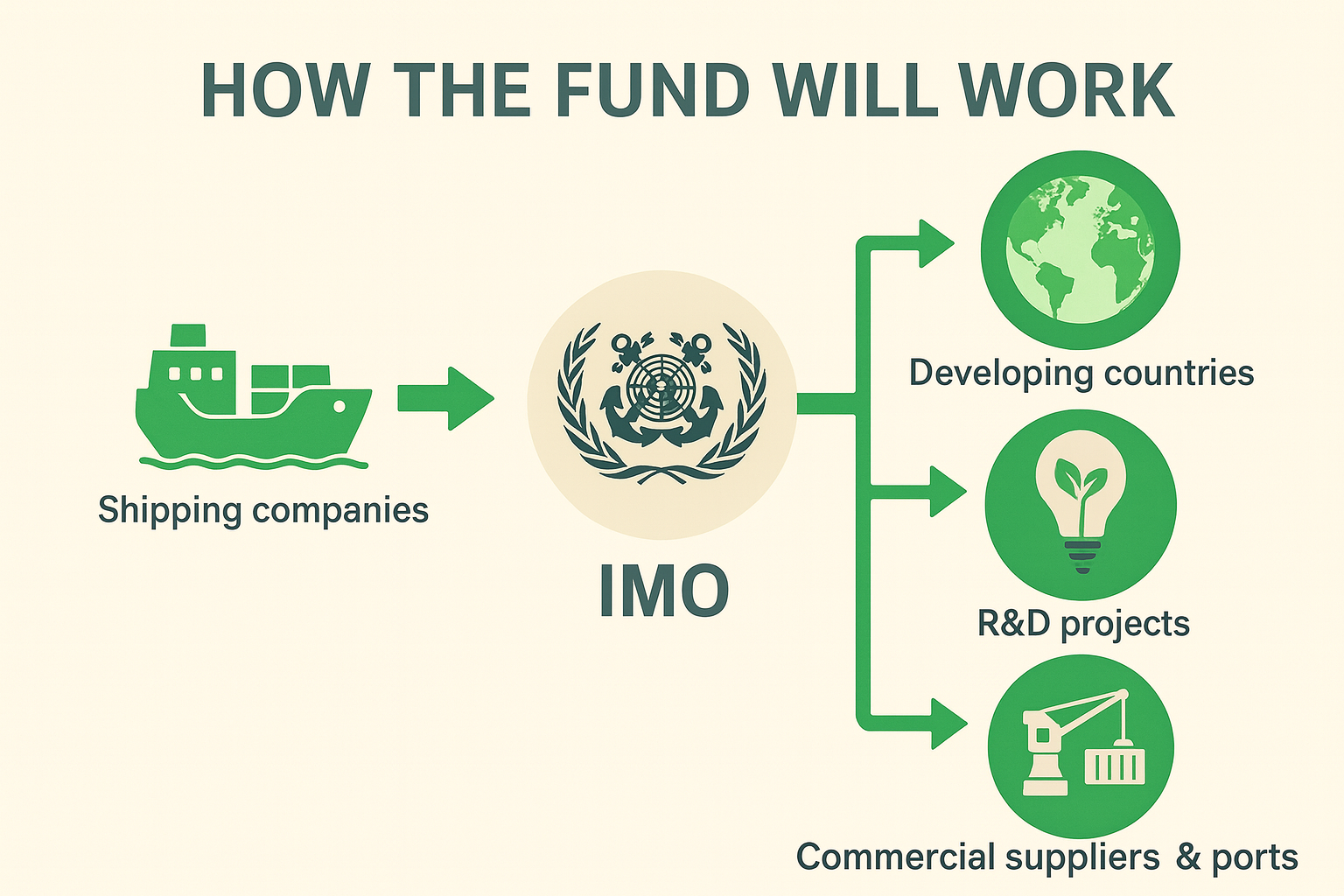
How the Fund Will Work
- Funding Source: Primarily shipping companies operating vessels >5,000 GT.
- Collection Mechanism: Contributions may be collected by flag states and remitted to the IMO.
- Voluntary Contributions: Developed countries can supplement the fund to assist developing nations.
- Projected Revenue: Fully applied, the fund could generate up to $85 billion annually.
Beneficiaries:
- Developing countries (low-carbon infrastructure, technology adoption)
- R&D projects (30% allocation for green shipping technologies)
- Just transition support (20% allocation)
- Commercial suppliers and ports investing in green infrastructure
Why It Matters
The IMO Net-Zero Fund represents a landmark effort to decarbonize one of the most critical global industries. By linking carbon pricing, innovation, and targeted financial support, it not only drives environmental change but also opens new avenues for green technology, global partnerships, and sustainable shipping.


Capt. M. M Saggi
One of the most respected and revered name in the maritime industry who has an holistic overview of how overall shipping functions at the world level as well as within India. Master Mariner (F.G), Extra master and MBA.
Ex-Director at Narottam Morajee Institute of Shipping, Ex-Nautical Advisor to govt. of India, Ex Additional Director General of Shipping, Ex Chief Examiner of mates,masters and extra masters. Ex Country head of casualty investigation. Lead Indian delegation to Maritime Safety Committee of IMO and International Oil Pollution Compensation fund meetings. Ex Trustee Mumbai, JNPT and Kandla Port
Leave a comment
View more
Give your career a boost with S&B professional services.
CV Prep/Evaluation Prep Service
 SeaCommerce
Shop maritime books & essentials
DG Medical Examiners
Find approved doctors near you
Tools & Calculators
Free maritime tools for seafarers
More Jobs
Agency and Logistics
Tanzania
Commercial Manager – Tanza..
Misc
Mumbai
Front Desk Executive – Mum..
Sales and Marketing
Mumbai
Sales Manager
Interview Prep/Mentoring
Find your polestar with the host of experts available on our platform
Know more