People-Powered Progress: Navigating Technology in the Maritime World
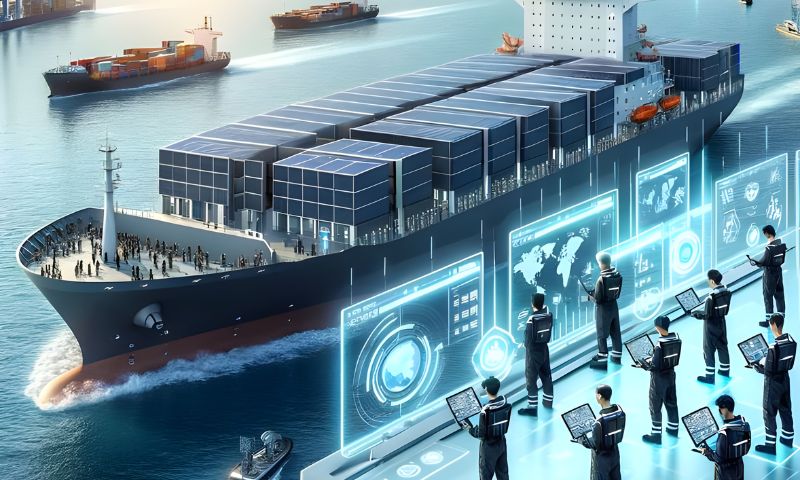
Technology is transforming our lives at an unprecedented pace. Even in the maritime industry, traditionally viewed as slow to adopt change, digital advancements are reshaping operations at sea and on shore.
Not long ago, ship crews had to walk up to the bridge just to make a phone call. Emails were shared among the entire vessel, and staying connected with loved ones meant waiting for the weekend to make an expensive call. I still remember the first time email became mainstream during my early years at sea—it felt revolutionary.
Today, seamless connectivity is the norm. We have personal emails, real-time video calls, AI-assisted navigation, digital twins, and automation optimizing every aspect of maritime operations. But with all this progress comes a critical challenge: How do we ensure that seafarers and shore teams not only cope with these changes but truly benefit from them—while mitigating the downsides?

Embracing Technology Without Losing the Human Touch
The last 25 years have seen technological progress outpacing entire centuries of change. Automation, data-driven decision-making, and AI-enabled workflows are redefining maritime operations. Yet, these advancements come with concerns:
- Information Overload & Resistance – The rapid shift to digital systems can be overwhelming.
- Skills Gap – Not everyone has the training or confidence to use new tools effectively.
- Connectivity vs. Isolation – While technology keeps us connected, excessive reliance can lead to social disconnect.
- Cybersecurity Risks – More technology means greater exposure to cyber threats.
We often speak about innovation for the people. But are we ensuring that seafarers and maritime professionals have the right resources to embrace digital transformation in a way that enhances their well-being rather than adding pressure?

Building a Thriving Maritime Digital Community
The industry is already integrating technology on ships and on shore, but we must take it further. A people-first, community-driven approach is essential to making this transition successful. Here’s how different stakeholders can contribute:
Governments
- Invest in better satellite and 5G networks to ensure stable, affordable connectivity for seafarers.
- Standardize global digital training programs, much like STCW, for seamless skill development.
- Provide tax incentives for companies investing in maritime technology adoption and crew training.
- Promote cybersecurity awareness and implement stronger data protection laws.
Education Systems
- Update maritime training curriculums to include AI, automation, and digital literacy.
- Integrate AR/VR into onboard training to simulate real-life scenarios.
- Equip cadets with skills to analyze real-time vessel performance data.
- Encourage collaborations between tech companies and maritime universities.
Companies
- Establish structured upskilling initiatives and on-demand digital help desks for crew and shore employees.
- Encourage hands-on digital leadership at all levels.
- Simplify IT processes to reduce frustration and improve adoption.
- Foster a culture of innovation while balancing work-life well-being.
Regulators
- Set up maritime AI ethics & cybersecurity frameworks.
- Mandate digital safety and cyber awareness training.
- Introduce a Digital Maturity Index to encourage positive reinforcement.
- Establish industry-wide digital well-being guidelines to mitigate screen fatigue and social media overuse.
Communities
- Develop Maritime Tech Knowledge Hubs to facilitate industry-wide learning.
- Create open-source digital tools accessible to all maritime professionals.
- Promote digital well-being by organizing mental health support groups and mentorship programs.
Individuals
- Take a proactive approach to learning new digital skills.
- Support colleagues through mentorship and knowledge-sharing.
- Balance online connectivity with real-world interactions on ships and on shore.

Technology as an Enabler, Not a Replacement
Technology is revolutionizing maritime operations, but people remain at the core of progress. Digital tools are just that—tools. True success lies not just in deploying technology but in ensuring that maritime professionals feel empowered, supported, and part of a thriving community.
By fostering a forward-looking digital maritime ecosystem, we can turn digital disruption into empowerment. Together, let’s build a culture where seafarers and maritime professionals don’t just adapt to technology—they thrive with it, knowing they are part of a community that supports them through every wave of change.



Uttam Kumar
Uttam Kumar is a visionary digital product and technology leader based in Singapore, currently serving as Director of IT Business Partnering. With extensive experience in both product and project management, he partners closely with clients and internal teams to drive digital transformation and deliver impactful solutions. Known for his strategic mindset and strong communication skills, Uttam excels at aligning technology with business objectives, streamlining workflows, and championing innovation throughout the product lifecycle. His leadership fosters high-performing teams, enabling organizations to efficiently achieve their goals and stay ahead in an increasingly digital world.
Leave a comment
View more
Give your career a boost with S&B professional services.
CV Prep/Evaluation Prep Service
 More Jobs
Ship management
Mumbai
Senior Executive – Brandin..
Ship management
Mumbai
Assistant Manager – Vessel..
Ship management
Mumbai
HR Officer
Interview Prep/Mentoring
Find your polestar with the host of experts available on our platform
Know more

Contact Us